
Summary
DLT setup connects the sending business, its registered header and its approved message structure. Registration is not permission to send unrestricted content: the rendered message, recipient eligibility and sending configuration still need to match current requirements. Keep the approved identifiers and template versions organised, configure them with the provider and test a controlled message before a larger launch.
- Prepare business registration, header and content-template details together.
- Keep fixed text and permitted variables aligned with the approved template.
- Review current TRAI and telecom-platform instructions before changing a sending workflow.
The AI platform opens separately. Its account and access requirements apply.
Copy this prompt manually:
Your prepared article prompt will appear here.

DLT workflows depend on keeping entity, header and content-template details correctly mapped.
DLT registration is part of India's framework for controlling commercial communications. Businesses sending commercial SMS typically need to complete the relevant registration steps for their entity, sender identity and message templates before traffic is submitted through participating telecom networks.
Key takeaways
- DLT registration is tied to India's commercial communication framework.
- Businesses may need to register their entity, headers and content templates.
- Approved information must match the traffic that is actually sent.
- Requirements can change, so businesses should verify the current process before implementation.
What is DLT?
DLT stands for distributed ledger technology. In India's commercial messaging ecosystem, distributed-ledger-based systems are used to support registration and verification processes around commercial messaging participants, identities and content.
Why does DLT registration matter?
The objective is to make commercial messaging more traceable and reduce misuse. It helps telecom operators identify who is sending messages and whether the traffic aligns with registered information and customer preferences.
Step 1: Register your business entity
The business begins by registering as the appropriate entity on a supported telecom DLT platform. Documentation requirements can vary based on entity type and platform procedures.
Step 2: Register your header or sender identity
A header is the registered sender identity used for business SMS. The header should align with the intended purpose and applicable category of communication.
Step 3: Register content templates
Message templates define the structure of approved communication. Dynamic variables may be used where permitted, but live traffic should conform to the registered template and current requirements.
Step 4: Configure your SMS provider
After approvals, the registered details need to be configured correctly with the SMS platform so messages are submitted with the appropriate identifiers and content.
Step 5: Test before scaling
Send controlled test traffic and verify that the message, sender identity, template and reporting behave as expected before launching large-volume campaigns.
Common DLT mistakes
- Using content that does not match the registered template.
- Using the wrong sender identity for the message purpose.
- Failing to keep registration details current.
- Treating marketing and service traffic as interchangeable.
- Relying on outdated compliance guidance.
How ProAds helps
ProAds supports businesses with sender and template workflows, campaign execution, APIs and delivery reporting. The platform keeps operational messaging workflows organized while businesses maintain the registrations required for their use case.
How the registration identifiers work together
A principal entity identifies the business, a header identifies the sending identity and a content template defines the approved message structure. Indian commercial traffic may require these identifiers to be transmitted when messages are offered to telecom service providers.
For a shipping alert, compare the final rendered text with the approved template. An added promotion or unexpected variable value may cause a mismatch. Keep approved template IDs, header IDs and ownership records organized.
Practical example
Map the business event, eligible recipient, approved content, sending route and delivery-report state before scaling. Keep this workflow documented so marketing, compliance and engineering teams can review it.
Common mistakes
- Confusing API acceptance with handset delivery.
- Reusing a template without verifying the intended message category.
- Automatically retrying after timeouts without duplicate prevention.
- Reporting submitted volume as a proven customer outcome.
What to check before rollout
- Confirm the correct message category and recipient eligibility.
- Validate the sender and template configuration.
- Test the complete message with real variable values.
- Confirm how delivery states are recorded.
- Review the results before expanding volume.
Official reference: Verify current Indian business SMS obligations using TRAI advice to senders and the TCCCPR framework. Provider-specific procedures can change.
Quick reference comparison
| Element | What it means | Practical action |
|---|---|---|
| Principal Entity | Identifies registered business | Confirm approved PE details |
| Header | Identifies sender | Check approved use case |
| Content template | Defines approved message pattern | Validate final text and variables |
Use this table as a planning aid. Actual requirements depend on the use case, provider and applicable rules.
Frequently asked questions
Is DLT registration a one-time activity?
Some registrations may be completed once, but businesses can still need to add or update headers, templates and related information as messaging use cases change.
Can I send any text once I register?
No. Registration does not mean unrestricted sending. Message content and purpose should remain consistent with the applicable registered template, category and rules.
Where can I verify the latest requirements?
Use the latest official telecom and regulatory guidance and the current documentation of the relevant DLT platform.
Related guides
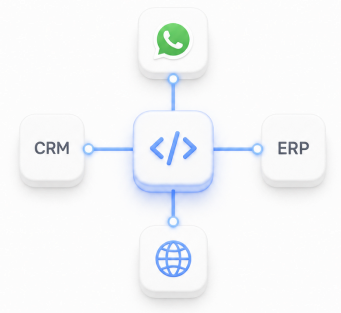
After registration, approved identifiers must be configured correctly in the sending platform and connected systems.
Need a Bulk SMS platform?
Run promotional, transactional and OTP SMS workflows with APIs and delivery reporting from ProAds.
Explore ProAds Bulk SMS