
Summary
OTP SMS delivers a short-lived verification code; it is not the verification system itself. Your backend must validate the code, enforce expiry and attempt limits, and reject reuse. Define a clear resend policy so delayed messages do not confuse the customer. Measure successful verification separately from SMS delivery, and consider stronger authentication where the risk of the action requires it.
- The backend owns code generation, expiry, attempt limits and one-time use.
- Make the resend policy clear to the user and consistent with server behaviour.
- A delivered SMS does not prove that verification succeeded or that an identity is secure.
The AI platform opens separately. Its account and access requirements apply.
Copy this prompt manually:
Your prepared article prompt will appear here.
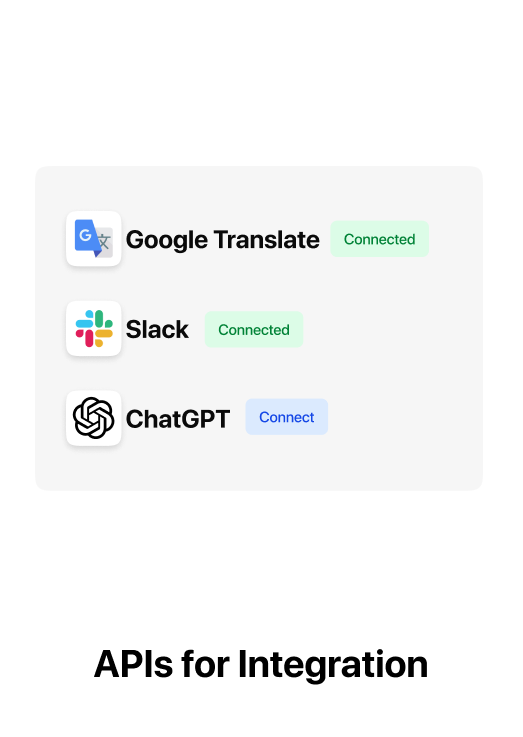
OTP delivery is triggered by the application's backend. This is an integration illustration, not a screenshot of a verification code.
See How Different SMS Types Read
Choose a use case to preview how the purpose, trigger and message style change.
- Purpose
- Encourage an eligible marketing action
- Typical trigger
- Campaign audience and schedule
OTP SMS is a text message containing a one-time password used to verify a user or approve an action. The code is typically short-lived and valid for a single verification event, such as login, payment authorization or phone-number verification.
Key takeaways
- OTP SMS is an authentication use case, not a marketing message.
- The code should be short-lived and single-use.
- Generation and verification should happen in a secure backend system.
- Delivery status and retry logic need careful handling.
How does OTP SMS work?
- The user starts a login, signup or transaction.
- The application generates or requests a one-time code.
- The backend sends the OTP through an SMS API.
- The user enters the code.
- The backend verifies the code, expiry and attempt policy.
- The OTP is invalidated after successful use or expiry.
Common OTP SMS use cases
- Login verification.
- Mobile-number verification.
- Password reset.
- Transaction authorization.
- Account recovery.
- High-risk action confirmation.
OTP delivery vs OTP security
The SMS provider handles message delivery, but the application is responsible for securely generating, storing and validating the OTP. A secure implementation should limit attempts, enforce expiry and prevent code reuse.
What should an OTP message contain?
An OTP message should be concise and clearly identify the verification purpose. Avoid unnecessary marketing content in authentication messages. Where templates are registered or required, the live message should conform to the approved structure.
How long should an OTP remain valid?
The appropriate validity period depends on the risk and user experience of the application. Shorter windows reduce the time available for misuse, while overly short windows can create unnecessary delivery and usability problems.
What happens if the OTP is delayed?
The application should distinguish between message submission and successful verification. If a user requests another code, your system should prevent multiple valid codes from creating confusion and should apply sensible rate limits.
India-specific considerations
OTP and authentication traffic can be subject to applicable sender and template requirements. Businesses should verify the current telecom requirements for their route and use case.
How ProAds supports OTP SMS
ProAds supports API-triggered SMS workflows and delivery reporting for authentication use cases, allowing OTP messaging to sit alongside transactional, promotional and other communication workflows.
OTP resend, verification and security
The server should generate or request a short-lived code, send it through an API and verify it on the backend. It should enforce expiration, attempt limits and one-time use. Sending the message does not itself authenticate the user.
If a user requests another code, define whether the new code invalidates the previous one. Rate-limit resend attempts. SMS OTP can be vulnerable to phishing and SIM swaps, so high-risk applications may require stronger authentication factors.
Practical example
Map the business event, eligible recipient, approved content, sending route and delivery-report state before scaling. Keep this workflow documented so marketing, compliance and engineering teams can review it.
Common mistakes
- Confusing API acceptance with handset delivery.
- Reusing a template without verifying the intended message category.
- Automatically retrying after timeouts without duplicate prevention.
- Reporting submitted volume as a proven customer outcome.
What to check before rollout
- Confirm the correct message category and recipient eligibility.
- Validate the sender and template configuration.
- Test the complete message with real variable values.
- Confirm how delivery states are recorded.
- Review the results before expanding volume.
Official reference: Verify current Indian business SMS obligations using TRAI advice to senders and the TCCCPR framework. Provider-specific procedures can change.
Quick reference comparison
| Element | What it means | Practical action |
|---|---|---|
| Code generation | Backend | Expire and restrict attempts |
| Transport | SMS API/provider | Monitor latency and delivery |
| Verification | Backend | Reject expired or reused codes |
Use this table as a planning aid. Actual requirements depend on the use case, provider and applicable rules.
Frequently asked questions
Is OTP SMS the same as Bulk SMS?
OTP SMS is a specific authentication use case. Bulk SMS is a broader term that can include many types of high-volume SMS communication.
Can OTP SMS be sent through an API?
Yes. Most production OTP implementations use an API so the message is triggered automatically by the application.
Should OTP messages contain promotional content?
No. Keep authentication messages focused on the verification purpose and follow the applicable message category and template requirements.
Related guides
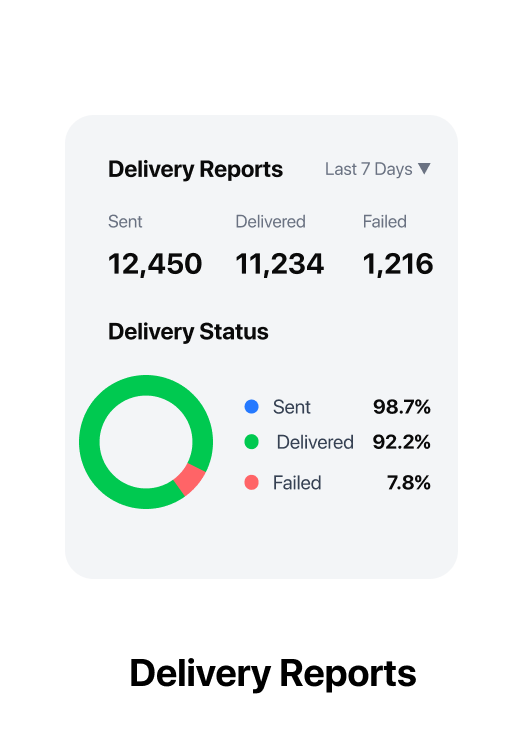
Delivery status and verification success are different metrics and should be tracked separately.
Need a Bulk SMS platform?
Run promotional, transactional and OTP SMS workflows with APIs and delivery reporting from ProAds.
Explore ProAds Bulk SMS