
Summary
Estimate SMS cost from the provider's billable units and your actual traffic profile. Message length and encoding can change the segment count; setup, support, integration, tax and retry rules can change the total. Use the same brief when comparing providers. The arithmetic example is hypothetical, not a ProAds tariff, and the lowest advertised unit rate does not by itself establish the best operational value.
- Ask what counts as a billable unit and how multipart messages are charged.
- Compare the total setup, support and transport cost on the same assumptions.
- Keep hypothetical examples separate from an actual written quote.
The AI platform opens separately. Its account and access requirements apply.
Copy this prompt manually:
Your prepared article prompt will appear here.
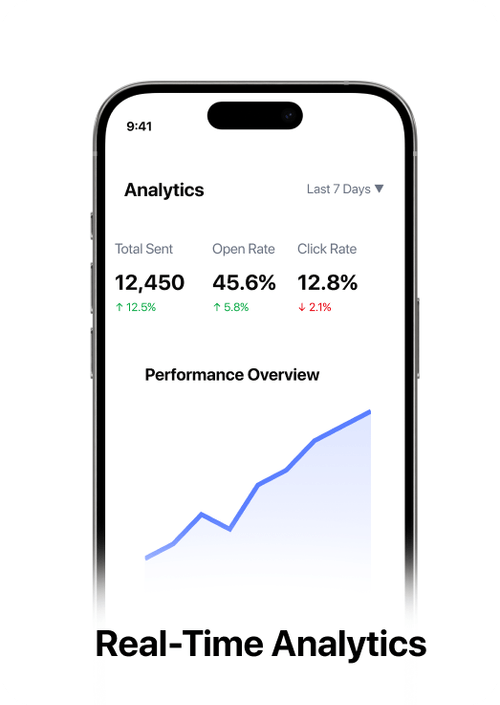
Pricing analysis should include delivery visibility, reporting and operational performance—not only the unit rate.
Bulk SMS pricing in India is not determined by one universal rate. The amount a business pays can vary based on message category, volume, destination, route, telecom requirements, platform features, API needs and the commercial agreement with the provider.
Key takeaways
- Per-message price is only one part of the total cost.
- Promotional, service, transactional and authentication traffic can have different commercial structures.
- Higher volumes may qualify for different pricing tiers.
- Platform, onboarding, support and integration costs can matter as much as the message rate.
- Businesses should compare delivery transparency and operational support, not only the cheapest headline price.
What affects Bulk SMS pricing in India?
The final price is usually shaped by several variables rather than a single fixed number. Understanding those variables helps businesses compare providers more accurately.
1. Message category
Pricing can differ depending on whether the traffic is promotional, service, transactional or authentication-related. The correct category should reflect the true purpose of the message and the route being used.
2. Monthly message volume
Providers may offer different commercial terms for businesses sending a few thousand messages per month versus enterprises sending millions. Volume commitments can affect both rate and support arrangements.
3. Destination and telecom route
Costs can vary by destination, network conditions, route and the commercial structure between the provider and telecom ecosystem. Domestic and international SMS should not be assumed to have the same pricing model.
4. Platform features
A low per-message price may exclude features such as campaign management, templates, reporting, APIs, team access, support or multichannel workflows. Compare the full platform value, not only the transport rate.
5. API and integration requirements
Businesses that need SMS integrated into CRM, ERP, ecommerce or internal systems should account for implementation, support and maintenance requirements.
6. Compliance and onboarding support
For Indian business messaging, sender and template workflows can require operational support. The amount of assistance included in the commercial agreement can affect the overall value of the provider.
How should businesses compare SMS pricing?
Use a total-cost approach. Calculate not only the cost per submitted message but also any platform fee, integration cost, support requirement, reporting capability and operational effort needed to run the messaging program.
Cheap SMS vs reliable SMS
The lowest advertised price is not automatically the lowest business cost. Poor reporting, weak support, integration gaps or delivery issues can create additional operational cost and customer impact.
Bulk SMS pricing example framework
Instead of relying on a generic rate table, estimate your expected monthly volume, message categories, peak traffic, API requirements, support level and reporting needs. Use that profile to request a comparable quote from each provider.
Does OTP SMS pricing differ?
Authentication traffic often has different performance expectations from a marketing campaign. OTP workflows are latency-sensitive and usually require API integration, delivery visibility and carefully managed retries, so businesses should evaluate the complete service rather than only unit price.
How ProAds approaches Bulk SMS
ProAds combines SMS campaign management, API-triggered messaging and delivery reporting with WhatsApp, RCS and Voice. Businesses can evaluate SMS as part of a broader communication stack rather than purchasing each channel in isolation.
A transparent cost-estimation example
For illustration only, 50,000 billable SMS units at a hypothetical ₹0.18 per unit would total ₹9,000 before taxes or other charges. This is arithmetic, not a ProAds quote or a verified market rate. Actual invoices depend on message segments, destination, route, traffic type, volume and contractual terms.
Ask providers what counts as a billable unit. Unicode characters and long messages may change segmentation. Compare platform fees, support, API access, reporting and minimum commitments alongside the unit rate.
Practical example
Map the business event, eligible recipient, approved content, sending route and delivery-report state before scaling. Keep this workflow documented so marketing, compliance and engineering teams can review it.
Common mistakes
- Confusing API acceptance with handset delivery.
- Reusing a template without verifying the intended message category.
- Automatically retrying after timeouts without duplicate prevention.
- Reporting submitted volume as a proven customer outcome.
What to check before rollout
- Confirm the correct message category and recipient eligibility.
- Validate the sender and template configuration.
- Test the complete message with real variable values.
- Confirm how delivery states are recorded.
- Review the results before expanding volume.
Official reference: Verify current Indian business SMS obligations using TRAI advice to senders and the TCCCPR framework. Provider-specific procedures can change.
Quick reference comparison
| Element | What it means | Practical action |
|---|---|---|
| Message category | Different route or commercial structure | Quote by use case |
| Segmentation | Long or Unicode text may use more units | Test rendered messages |
| Integration | API and support needs | Include total cost |
Use this table as a planning aid. Actual requirements depend on the use case, provider and applicable rules.
Frequently asked questions
Is there one standard Bulk SMS price in India?
No. Pricing varies by provider, traffic type, volume, route and commercial terms.
Does higher volume always mean a lower rate?
Not automatically, but volume can influence negotiated pricing. The commercial structure depends on the provider and the characteristics of the traffic.
Should I choose the cheapest SMS provider?
Price matters, but businesses should also compare delivery reporting, compliance support, APIs, reliability, support and operational transparency.
Related guides

Compare total cost using volume, segmentation, integration, support and reporting requirements.
Need a Bulk SMS platform?
Run promotional, transactional and OTP SMS workflows with APIs and delivery reporting from ProAds.
Explore ProAds Bulk SMS