
Summary
An SMS API is the software interface; a gateway or messaging service handles the routing behind it. They are usually complementary layers rather than competing choices. Evaluate request validation, message references, delivery statuses and retry behaviour alongside the provider's operational service. Marketers may use a dashboard while developers automate through the API on the same platform.
- Separate the interface your software calls from the service that routes traffic.
- Ask for documented message IDs, error codes and callback behaviour.
- Choose dashboard or API according to how the message is triggered.
The AI platform opens separately. Its account and access requirements apply.
Copy this prompt manually:
Your prepared article prompt will appear here.
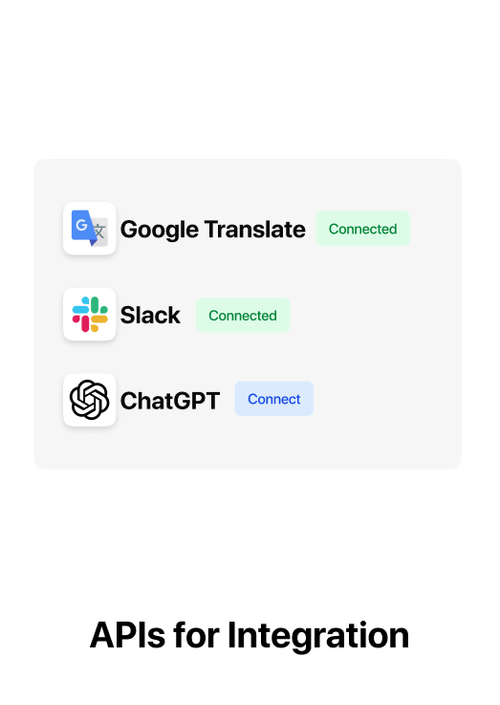
The API is the software interface used by an application to submit and manage message requests.
An SMS gateway is the service or infrastructure used to route SMS traffic, while an SMS API is an interface that lets software access messaging functionality programmatically. In many business implementations, an application uses an API to send messages through an SMS gateway.
Key takeaways
- A gateway handles or provides access to message routing.
- An API is the software interface used to trigger and manage messages.
- The terms are related, not competing products in every case.
- Businesses should evaluate both transport quality and API quality.
What is an SMS gateway?
An SMS gateway connects business messaging traffic to downstream telecom infrastructure. It accepts messages from a dashboard, API or integrated system and submits them through the configured route.
What is an SMS API?
An SMS API lets your software send messages, request status information and automate messaging workflows. REST and HTTP APIs are commonly used for web and backend integrations.
How do an SMS gateway and API work together?
- Your application sends an API request.
- The messaging platform validates the request.
- The gateway submits the message through the configured telecom route.
- The network attempts delivery.
- Status information is returned to the platform.
- Your application receives delivery updates through a webhook or reporting API.
When do you need an SMS API?
Use an API when messages need to be triggered automatically from your software. Examples include OTPs, order confirmations, payment alerts, appointment reminders and CRM workflows.
When is a dashboard enough?
A web dashboard may be sufficient for manually scheduled campaigns or occasional bulk sends. If messaging is tied to real-time business events, an API is usually more practical.
What should developers evaluate?
- Authentication and credential management.
- Request and response formats.
- Error codes.
- Rate limits and throughput.
- Delivery-report webhooks.
- Idempotency and retry behavior.
- Sandbox or test options where available.
What should business teams evaluate?
- Delivery visibility.
- Compliance support.
- Reporting.
- Support responsiveness.
- Commercial model.
- Scalability.
India-specific considerations
The gateway or API does not remove regulatory obligations. Business traffic may still need appropriate sender, template and category configuration for the Indian messaging ecosystem.
How ProAds supports SMS integrations
ProAds supports API-triggered and campaign-based SMS workflows with reporting, allowing technical and non-technical teams to work from the same communication platform.
How the components fit together
The business application decides that a message is needed. The API accepts the software request. The gateway or messaging service routes the message to the telecom network. Delivery reports, when available, provide later status updates. One vendor may provide all these layers.
For evaluation, request documentation for message IDs, error codes, webhooks, rate limits, sender/template fields and retry behavior. A dashboard may be enough for scheduled campaigns, while real-time OTPs generally require an API.
Practical example
Map the business event, eligible recipient, approved content, sending route and delivery-report state before scaling. Keep this workflow documented so marketing, compliance and engineering teams can review it.
Common mistakes
- Confusing API acceptance with handset delivery.
- Reusing a template without verifying the intended message category.
- Automatically retrying after timeouts without duplicate prevention.
- Reporting submitted volume as a proven customer outcome.
What to check before rollout
- Confirm the correct message category and recipient eligibility.
- Validate the sender and template configuration.
- Test the complete message with real variable values.
- Confirm how delivery states are recorded.
- Review the results before expanding volume.
Official reference: Verify current Indian business SMS obligations using TRAI advice to senders and the TCCCPR framework. Provider-specific procedures can change.
Quick reference comparison
| Element | What it means | Practical action |
|---|---|---|
| SMS gateway | Routing/service layer | Routes message traffic |
| SMS API | Software interface | Submits and manages requests |
| Webhook | Asynchronous callback | Returns status events |
Use this table as a planning aid. Actual requirements depend on the use case, provider and applicable rules.
Frequently asked questions
Is an SMS API the same as an SMS gateway?
No. The API is the interface used by software, while the gateway is the messaging service or routing layer behind the delivery process.
Can I send Bulk SMS without an API?
Yes. Many platforms allow manual campaign sending through a dashboard. An API is more useful when messaging should be automated from business systems.
Do SMS APIs provide delivery confirmation?
Many providers expose delivery status through webhooks or reporting APIs, but the exact states and behavior depend on the provider and route.
Related guides
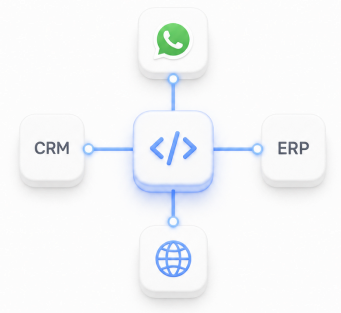
An application interface and the downstream delivery service are separate parts of the same workflow.
Need a Bulk SMS platform?
Run promotional, transactional and OTP SMS workflows with APIs and delivery reporting from ProAds.
Explore ProAds Bulk SMS